
Turn energy storage into a deliverable project.
From cell selection and BMS matching to grid synchronization, every delivery milestone is documented in a checklist and verified item by item.

Every kilowatt-hour has a source.
The true value of energy storage isn't in the spec sheet, but in its ability to discharge reliably in years five and six.
We prioritize safety, lifespan, and efficiency: we rely on structural solutions rather than adding software, and we use testing for verification instead of estimation.
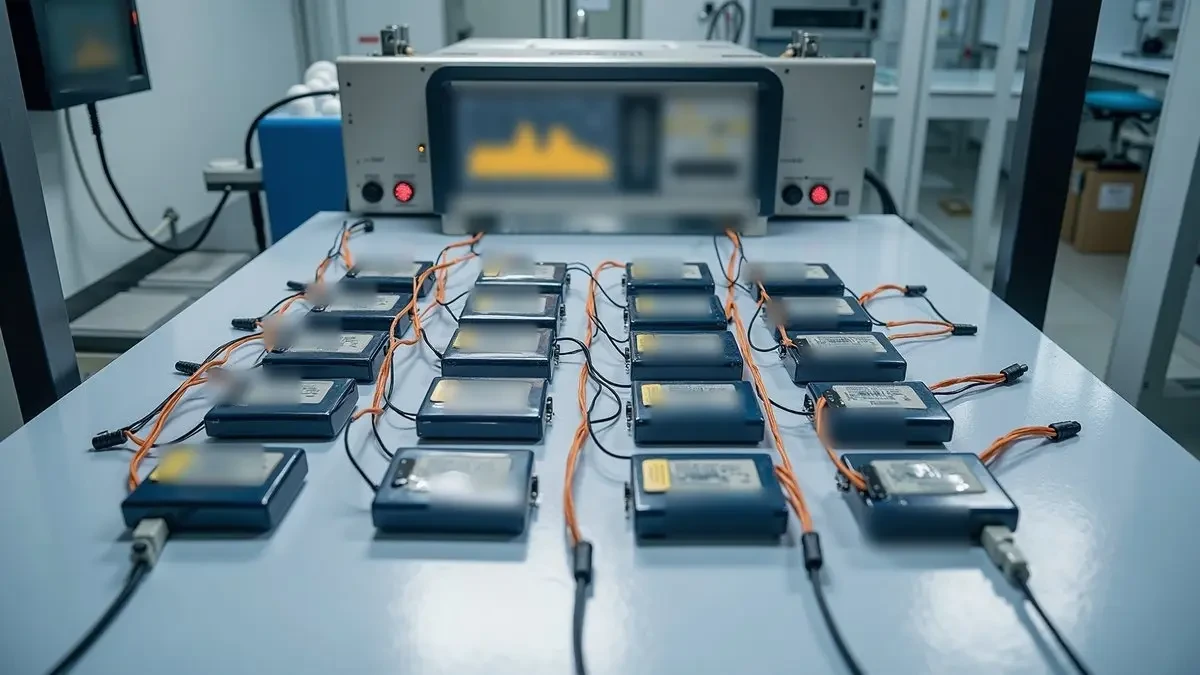
Start with cell selection
Starting from cell selection and BMS compatibility, verify capacity, structure, and interfaces based on requirements for home solar, portable outdoor, two-wheel swap stations, and commercial/industrial backup power. The template products and processes below are for reference only; actual entities, production lines, and R&D documentation shall be governed by the documents provided by the operator.
View our historyThree Guiding Principles
Selection, delivery, and security all have clear evaluation criteria.
Select by Scenario
Provide capacity recommendations based on roof area, average daily electricity consumption, and grid connection conditions. Do not automatically recommend large-scale configurations.
Traceable Delivery
Associate production batches, test data, and installation records with the device ID. Documentation scope is based on the delivery list.
Clear security boundaries
Define the charge/discharge temperature range, stacking layers, and fire safety clearance. Solutions outside these parameters must be marked as "Not Recommended."

Power for Everyone
Make clean power more accessible
Verify inspection and life test data before delivery. 80% DOD and 25°C are recommended rated operating conditions; adjust as needed based on actual requirements. The following inspection milestones are for process reference only and do not constitute actual test results or life guarantees.